Going to the Balcony: What Public Health in the Rockies 2026 Taught Us

Published
October 13, 2026
going-to-the-balcony
Most days, public health happens on the “dance floor”.
A grant report is due. A partner needs a callback. The numbers in a county move in the wrong direction again. We are in the middle of it, focused and committed, doing good work narrowly focused on the need of the day.
But from the middle of the crowd, on the dance floor, you can only see the people right next to you. Leadership requires finding ways to get a different perspective.
Ronald Heifetz and Marty Linsky have a name for what's missing. In their book Leadership on the Line, they describe the discipline of getting off the dance floor and going to the balcony. It means stepping back in the midst of the action to ask, "What's really going on here?"
From the balcony, the room looks different. You see patterns. You notice who is dancing together, who is sitting out, where the energy is gathering. You even see yourself, and your own part in the dance.
For people working on Colorado's toughest health challenges, those moments are rare. The Public Health in the Rockies (PHiR) conference is one of them. For a few days, practitioners from across the region step away from their communities and caseloads. They hear stories from outside their field. They wrestle with questions that don't fit neatly into an evaluation report.
Here is the catch. Heifetz and Linsky warn that staying on the balcony as a safe observer is "a prescription for ineffectuality." Perspective only matters if it changes how we dance.
Conferences are notorious for this. We fill notebooks. We feel inspired. Then Monday arrives, and the dance floor pulls us right back in.
Margaret Wheatley put it plainly: "Without reflection, we go blindly on our way."
So the real question isn't what we learned at PHiR. It's what we will do differently because of it. At Omni, that means three simple practices.
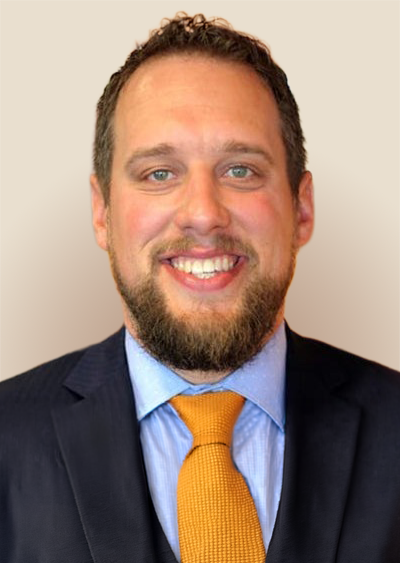
That rhythm turns a one-off moment into behavior change. It's how we bring the balcony home, building cultures where stepping back isn't a luxury saved for conferences, but part of how we work every week. And, in our Omni debrief this week, our team thought it was important to do this together and share it here. I'll go first.
On the opening night of Public Health in the Rockies, Omni hosted a Purpose Hour with Breckenridge journalist Devon O'Neil, author of The Way Out. He told the true story of a 2017 backcountry search in which experts and neighbors each held part of the picture, and the room drew lessons about trust, communication, and fear that public health leaders face in a crisis.
The two-picture debrief. At the end of a project or program milestone, ask two people for short written accounts of the most important part of the project. One should be the person closest to the data and the other the person closest to the community. Neither sees the other's account until both are done. Then read them side by side as a team. It mirrors the Search and Rescue experts and the neighbors in The Way Out, and the gaps between the two accounts are usually where the useful learning is.
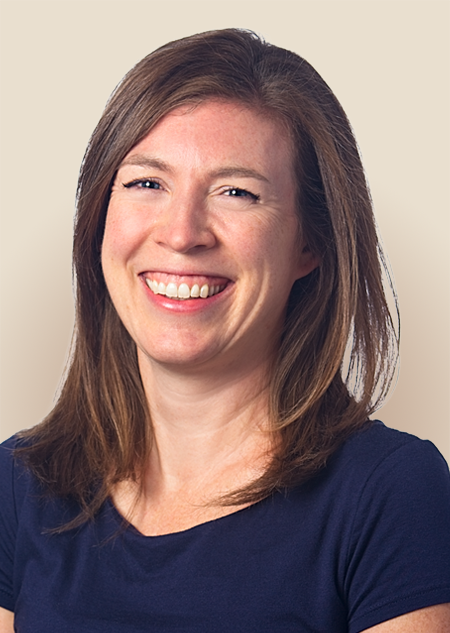
One of my favorite PHiR sessions, facilitated by Jo Burns, took us out of the conference rooms and under the trees to talk about belonging and social connection. We left our devices behind. Jo challenged us to retire an exchange we all know: "How are you?" "Good, you?" It's polite and quick, and it tells us almost nothing. Then we practiced replacing it with questions that leave more room to answer, like "What's something you're looking forward to?" or "Did you have a favorite tree to climb or playground to play on as a kid?" The conversations changed right away. I learned about exciting new jobs, big moves, a cross-country book group, and more.
The session stayed with me because so much of my work these days is in AI. At the AI Remix Lab Katie and I co-led at PHiR, we shared two of Omni's guiding principles for AI: "better work, not just faster work" and "your expertise stays at the center." These principles stay so true well beyond AI. Efficiency isn't the goal in our connections with people, either.
Swap one opener. For the next month, I'll challenge myself to start team check-ins with a question that leaves more room than "How are you?" (e.g., "What's something you're looking forward to?" or "What's been the best part of your week?"). I'll pair that with smart AI habits. Before I hit "send" on an AI prompt, I'll ask whether a thoughtful colleague could give me a good answer in response to it. If not, it needs more context. At the end of the month, I'll share the questions that worked best in both settings with the team.
PHiR is one of the few conferences that builds slowing down into the agenda. Alongside the keynotes and breakouts, attendees can join yoga, birding, hikes, and even forest bathing. For me, being in the mountains is motivation to set my alarm early enough for a morning walk along the picture-perfect, turquoise-blue river that runs just behind the condos at Keystone.
One walking meeting per week. I’ll suggest turning one recurring weekly check-in into a walking meeting, outside whenever the weather allows. Ideally it’s a conversation that benefits from big-picture thinking more than screen-sharing, allowing us both to get out of our (literal) seats, and find energy in moving. After a month, I’ll ask the other person what felt different about those conversations, and whether we want to keep going.
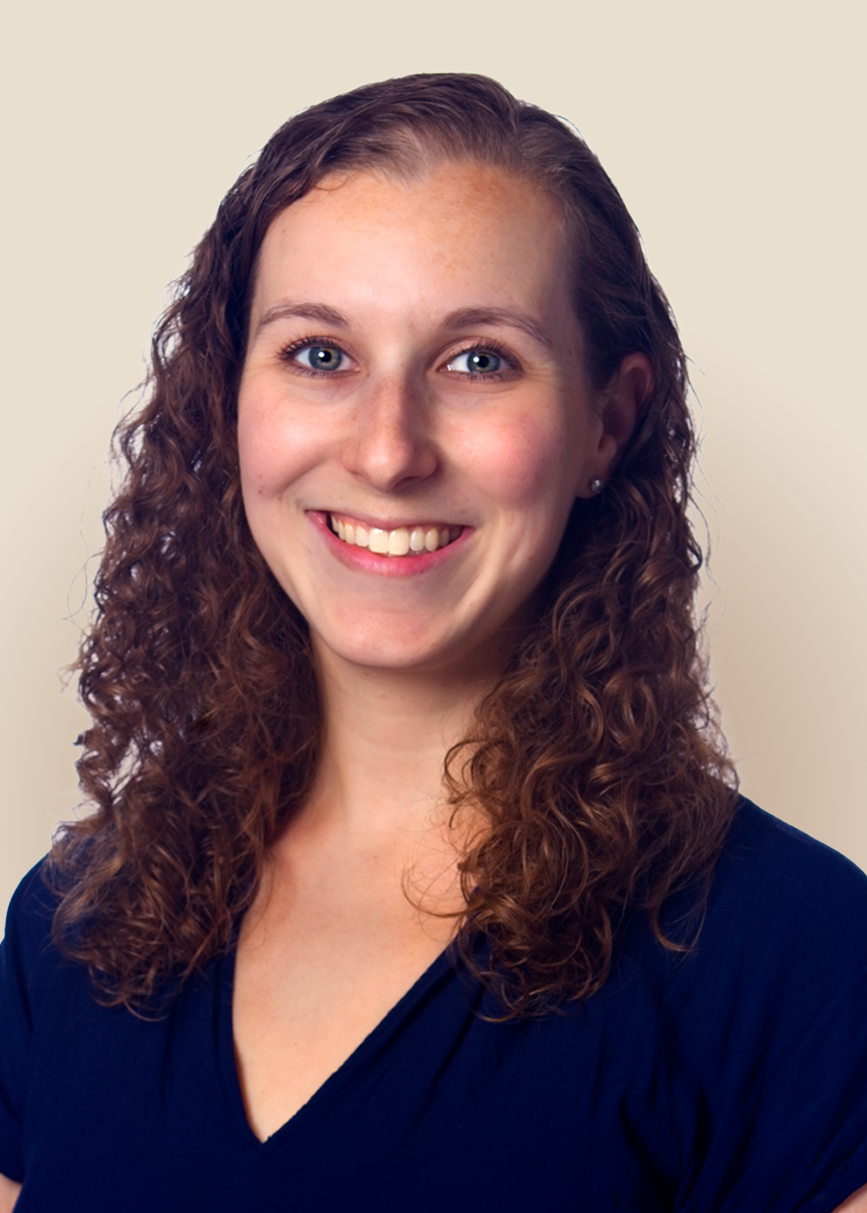
In the opening keynote address, Dr. David Rojas-Rueda, PhD, talked about how we can use data to make change in communities. His work at the Colorado School of Public Health is focused on evaluating the health and environmental justice implications of policies on air pollution, climate change, urban design, and transportation.
Presentation slide re-writes. We frequently present results of evaluations and community assessments to boards of health or advisory groups and we need to adapt our public-facing report data to what matters for that presentation audience. When we are prepping slides, we should workshop our key findings using the five tests. After we get the first draft in, we will review and refine it to make sure we’re framing the results in a way that speaks to this audience and equips them to make informed decisions to best drive froward health improvements in their community.
From the balcony, we see more. Back on the dance floor, we get to act on it. We need more people choosing intentionally to move between these two spaces if we’re going to make the progress our communities need.
Get updates on our research findings, projects, and the latest in evidence-based news to improve lives, build better systems, and drive social change.
