The Intoxicating Moment of Decision (and the Unglamorous Work That Comes After)

Published
May 11, 2026

after-the-decision
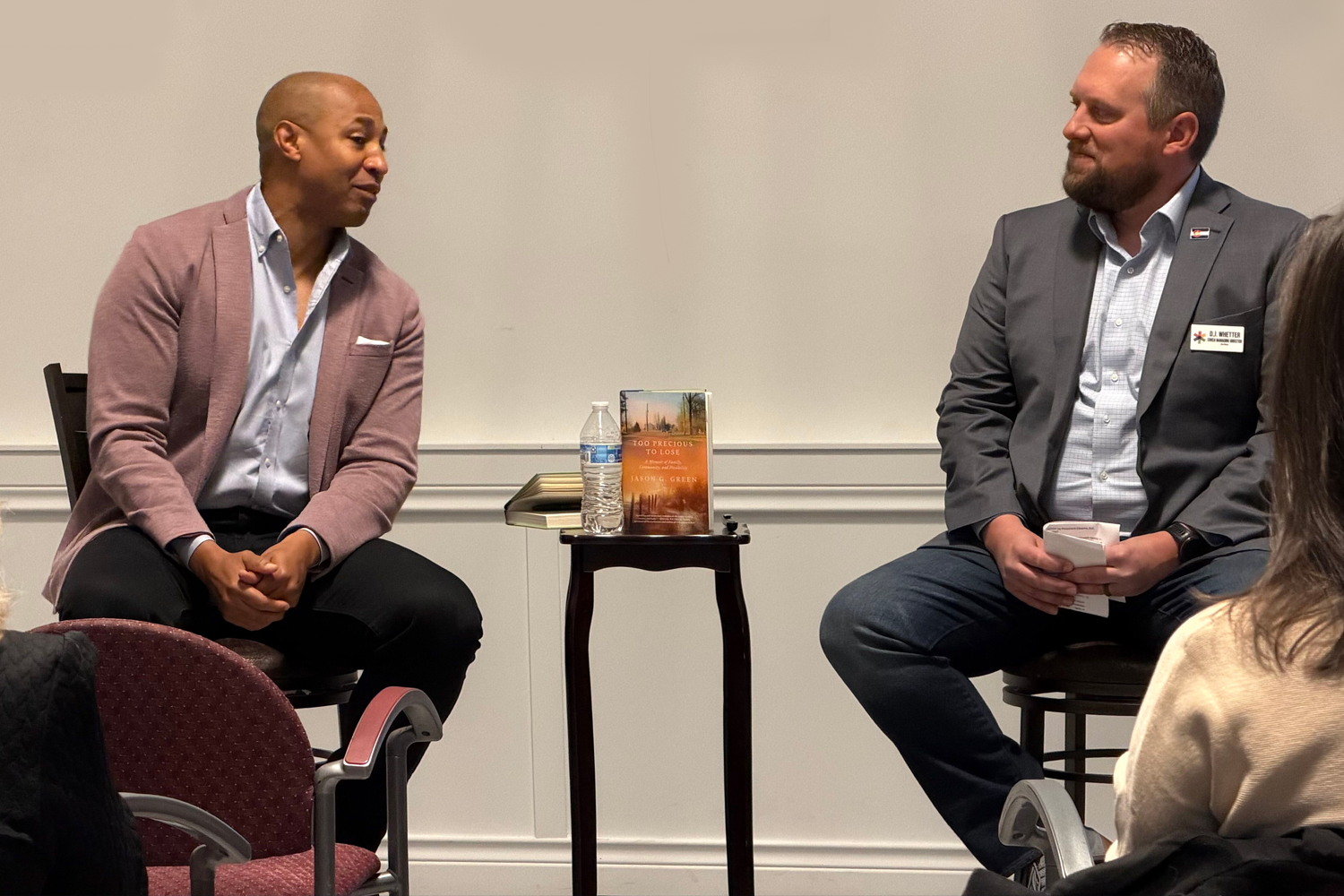
Last week, I had the privilege of sitting in a room with Jason G. Green as he talked about his memoir, Too Precious to Lose, a book about family, memory, and what it means to preserve the stories that shape us.
I went in expecting a conversation about storytelling and how the past shapes us today. And the morning was certainly filled with thought-provoking conversation. But I've been surprised that since I left, I can't stop thinking about something far more mundane: that the real work, the hard work, in community change is in the implementation.
Jason said something that stopped me mid-note: we often come together in the intoxicating moment of catalyst, the event or challenge or threat that spurs us to unite, but far too often we leave when the hard work of realizing those decisions in action begins. He told the story of his uncle's work after his family played a crucial role in combining three small churches during the civil rights movement. Declining membership and financial pressures made the decision to merge feel like the hard part. But the real difficulty lay in the implementation — not just the logistics of which building and which pastor, but in those who volunteered to physically integrate the congregation every Sunday, altering seating patterns that had been part of family tradition for generations.
And while Jason was talking about community and family in the context of church, I kept thinking about organizations, leadership, and every strategic plan I've ever seen gather dust after a promising launch.
We are very good at decisions. We hold the meetings, build the consensus, feel the momentum. There's something genuinely energizing about the moment a direction gets chosen: a new initiative, a commitment to change, a values statement that finally captures what we mean. That part feels hard. But it's not, really. It's the exciting part dressed up as the hard part.
The hard part is what comes after. The slow, unglamorous, often lonely work of following through when the energy has dissipated and everyone has moved on to the next intoxicating moment. Jason's framing hit me because it's exactly where most well-intentioned efforts (in organizations, in communities, in families) quietly fall apart. Not from bad decisions, but from insufficient commitment to the work that decisions demand.
This is something I think about a lot at Omni. We work alongside nonprofits, governments, and philanthropies who are genuinely trying to make things better. They make bold commitments. They launch initiatives. And then the real test begins—not whether the vision was right, but whether the organization has the discipline, structure, and sustained will to see it through. It’s a matter of defining and committing to purpose vs. holding to purpose.
Jason's answer wasn't a management framework. It was something more personal: find your intentional purpose. That's the infrastructure that keeps the work alive after the meeting ends. Know what drives you to greater action in your family, your community, and your work, and hold onto it when the momentum fades. And help others find it in themselves.
Get updates on our research findings, projects, and the latest in evidence-based news to improve lives, build better systems, and drive social change.