Fixing the System Where It Breaks, Led by Lived Experience
Published
February 11, 2026
fixing-the-system-where-it-breaks-led-by-lived-experience
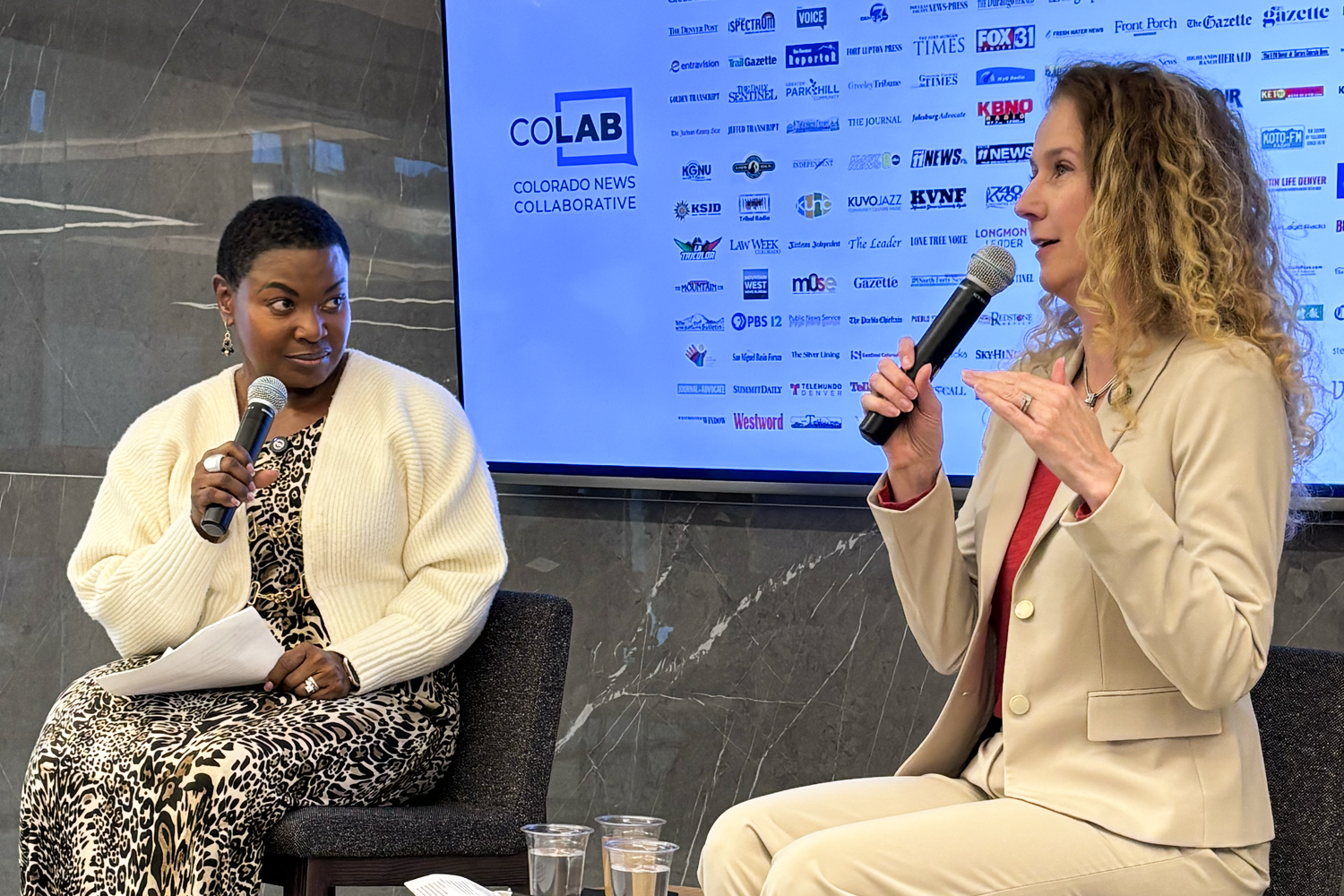
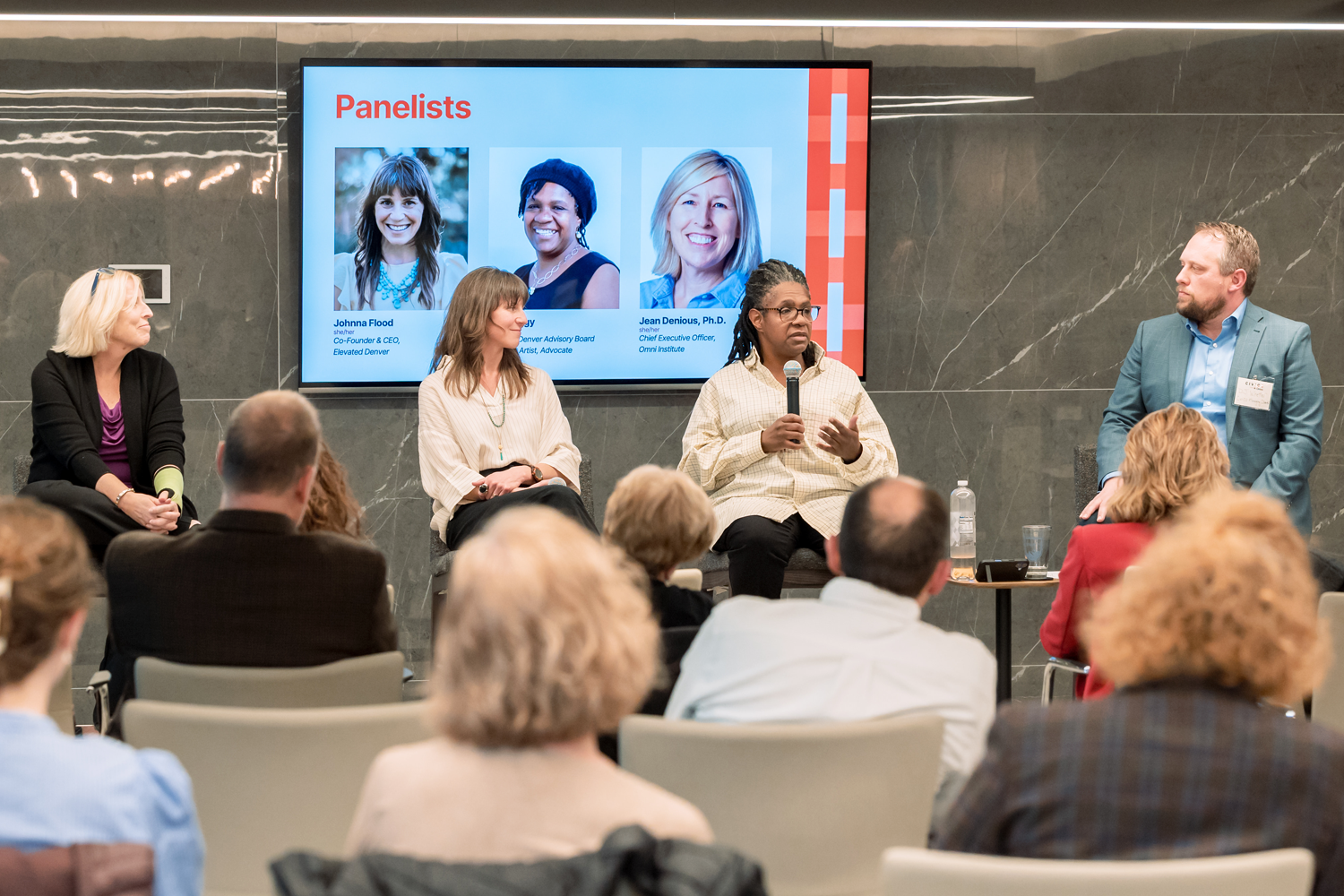
At our February Purpose Hour, we welcomed Elevated Denver for a candid conversation about what it actually takes to make progress on the most complex, systems-level challenges facing our communities. Elevated Denver is a nonprofit addressing homelessness by putting power directly in the hands of people with lived experience to design highly responsive, sustainable solutions.
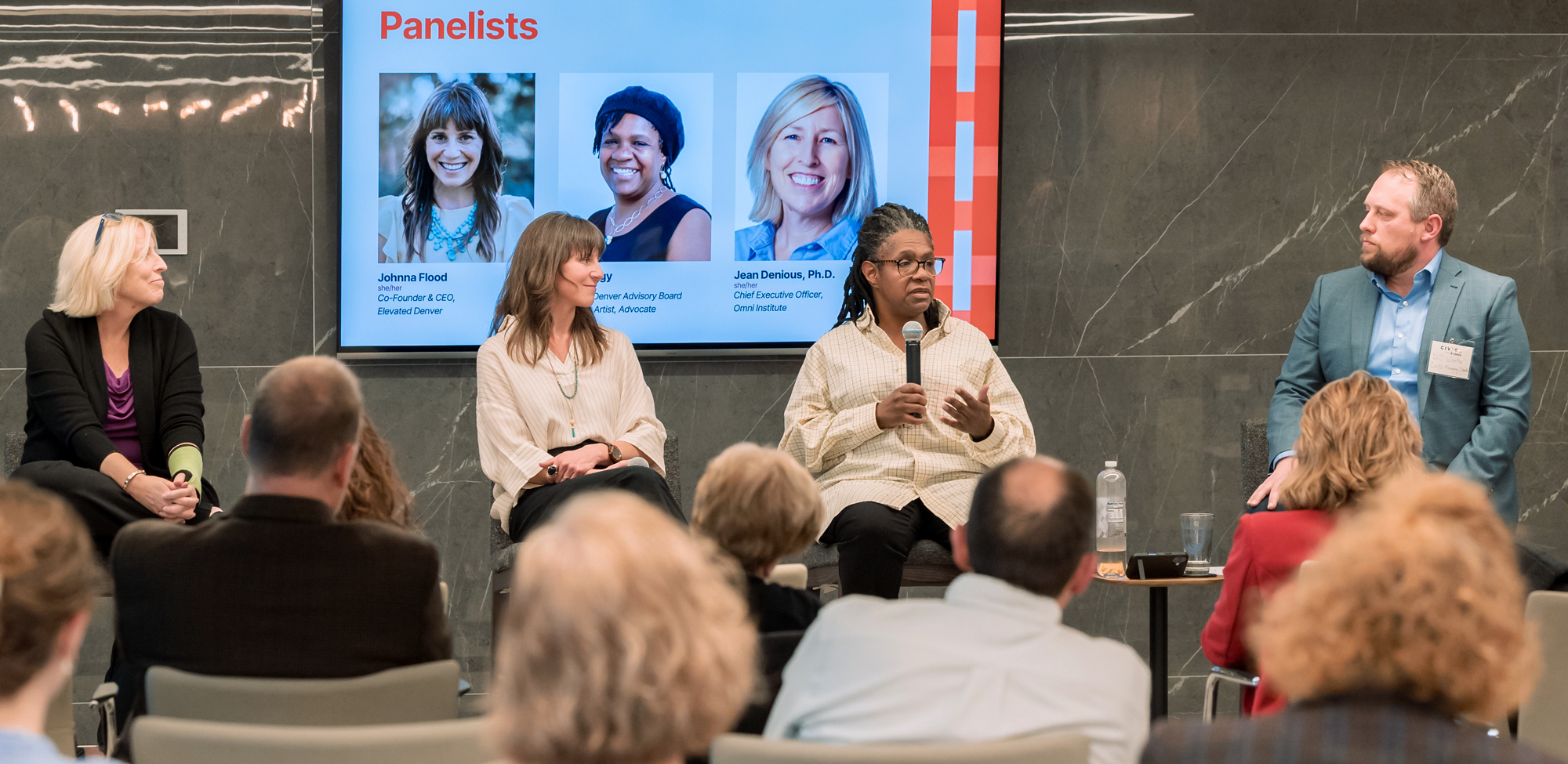
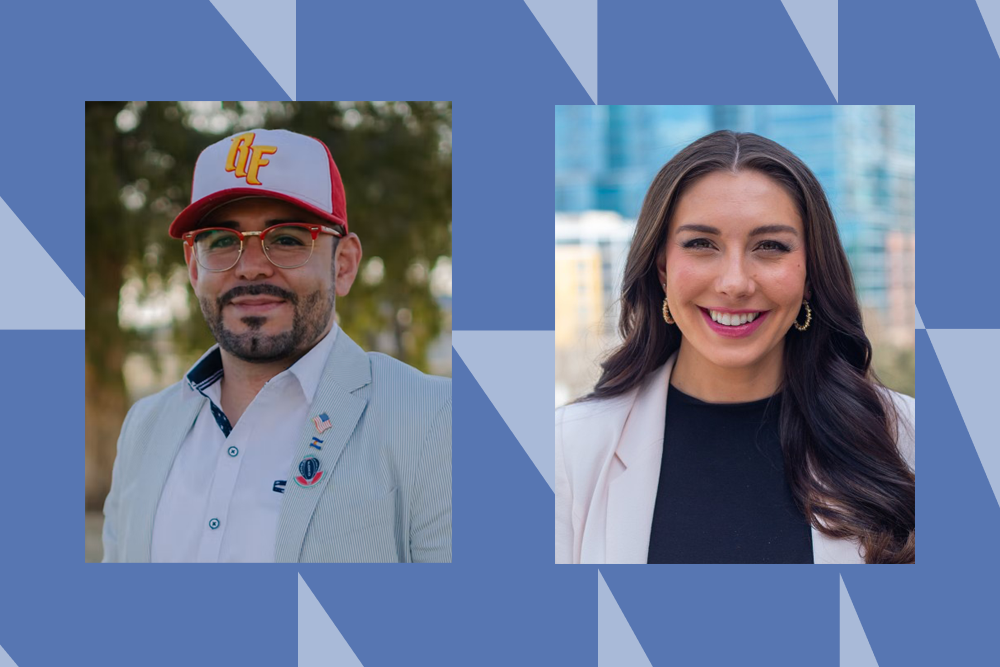
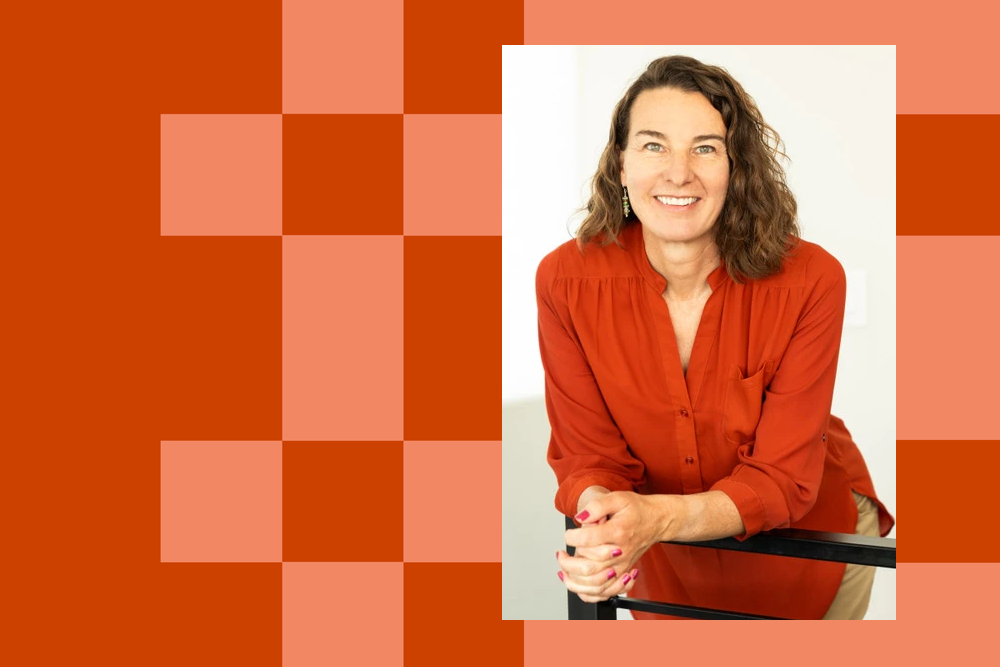
Johnna Flood and Myra Nagy from Elevated Denver, alongside Omni’s Jean Denious, shared how their work challenges conventional approaches to social change, and why many well-intentioned efforts fall short. Their conversation pushed us to grapple with three core questions:
Large social challenges can feel paralyzing. Systems are fragmented. Resources are scarce. The goal (ending homelessness, for example) feels impossibly complex.
Elevated Denver took a different approach, borrowing from product design rather than traditional social-sector planning.
They started by listening, not just to service providers and government partners, but to people who had experienced homelessness personally. By mapping individual journeys through the system, they uncovered a critical insight: while every experience is unique, the barriers people face in getting the support they need from the system are remarkably consistent.
That insight changed everything. Instead of trying to “solve homelessness,” they focused on identifying where the system breaks most predictably and designing a solution for that specific failure point.
Takeaway: Systems change accelerates when we stop aiming for sweeping solutions and start fixing the points where systems consistently fail.
Many organizations say they “include community voice.” Far fewer are willing to let that voice lead.
Elevated Denver intentionally flipped the power dynamic. They asked: what would it look like if people with lived experience being unhoused were actually leaders in developing solutions, rather than advisors? If those who traditionally hold power and lead in these spaces instead followed others in the process?
Johnna described a careful selection process to ensure participants were willing to check their titles and egos at the door. Myra emphasized how much time and facilitation it took to build trust and create space where everyone felt safe contributing fully.
The result was a concept that actually reflected real needs. Elevated Denver’s Community Resource Connection Hub links to services that people experiencing homelessness said they needed, and it’s staffed by people who know the system firsthand because they’ve navigated it themselves.
Takeaway: Authentic collaboration isn’t about representation, it’s about redistributing decision-making power.
Elevated Denver’s work also challenged the idea that good planning means sticking to a fixed plan.
Their process relied on constant reflection and adjustment. After every meeting, the team held structured debriefs to surface what wasn’t working and adapt in real time. When they realized participants didn’t fully grasp the system they were trying to fix, they created an experiential exercise to make those barriers tangible.
One participant reflected afterward:
“I know this was mock. But I couldn’t let go of what it felt like to have to go find these things… ‘call this number’ and it’s disconnected.”
Jean emphasized that even the evaluation wasn't something that happened at the end. It was an ongoing and living process.
"Don't stand by, observe, and wait until the end, hoping it worked. Use data in an ongoing way to shift strategy and adjust the model as you go."
Takeaway: Learning and evaluation must happen during the work, not after it, if we want solutions that respond to reality with agility.
Elevated Denver’s frameworks and takeaways challenged assumptions and opened our minds to more ideas and questions. Conversation about how to apply this in different contexts and to solve other issues immediately followed in the room. Many Purpose Hour attendees (nonprofit leaders, board members, and volunteers) asked how they could help their organizations meaningfully engage people with lived experience, not just consult them.
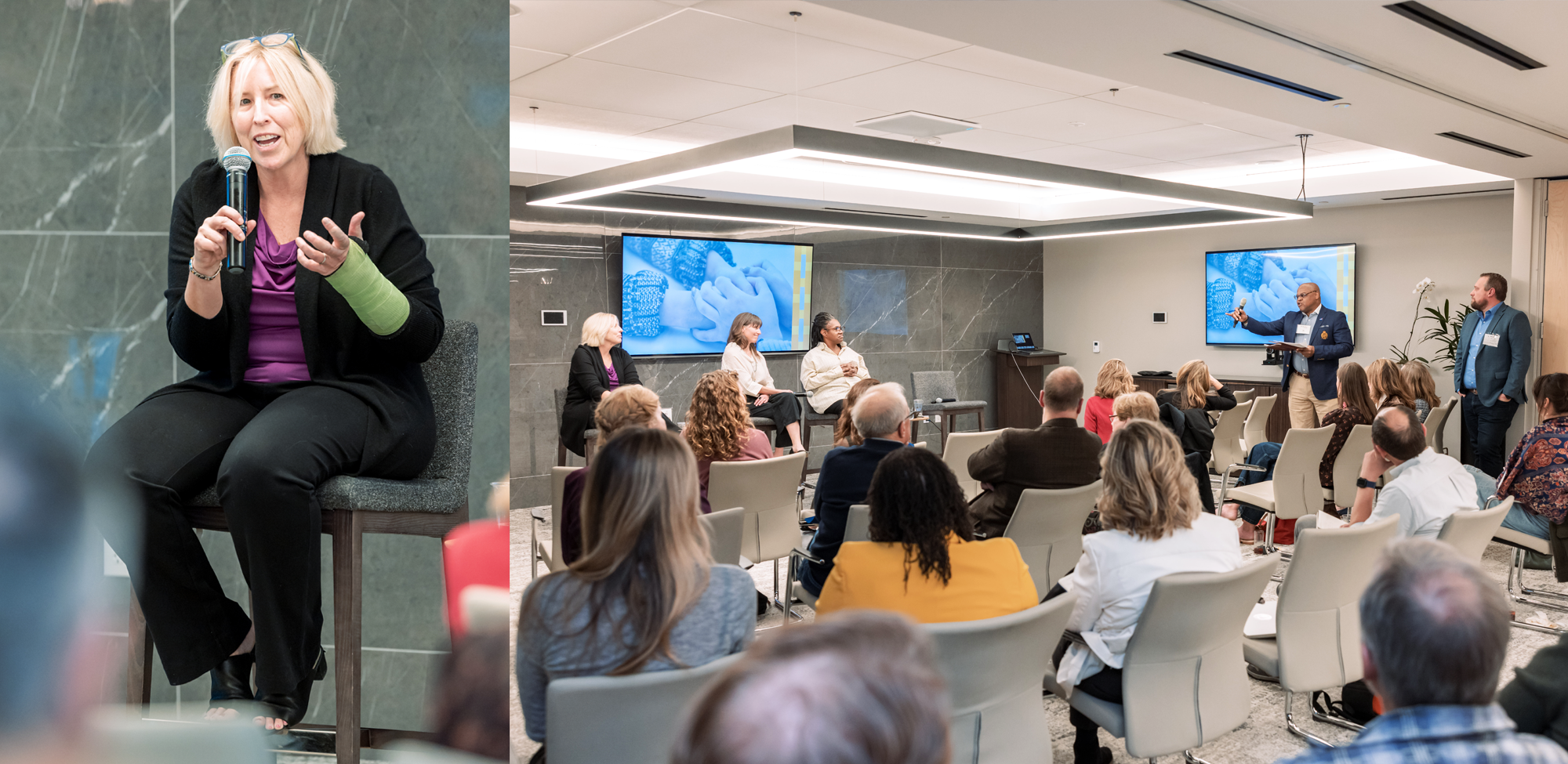
This exploration also has critical funding implications. Often, philanthropy dollars go comfortably toward supporting established programs meeting very clear metrics. Elevated Denver’s approach asks funders to invest not just in programs, but in the process of designing programs—accepting uncertainty in exchange for solutions that are more likely to work.
Myra’s closing advice to the audience was simple, and captured the spirit of the conversation:
“Go in with an open mind. You don’t know who you’re going to encounter or how it’s going to go. But you can learn to work with people you normally wouldn’t, and you can grow.”
The Collaboratory model Elevated Denver shared isn’t just about homelessness. It’s about whether we’re willing to work differently, together, on the most complex problems.
I think we have to be.
Get updates on our research findings, projects, and the latest in evidence-based news to improve lives, build better systems, and drive social change.