Merging with CiviCO: One Year On

Published
October 6, 2026
merging-civico-one-year
One year ago, Omni welcomed CiviCO to our organization. It was Omni's first mergers and acquisitions process in over 20 years, and we learned a lot along the way, from the first steps of the acquisition, to integrating a full team and suite of programs, to envisioning a new future together.
It's been an unambiguous net positive, if not without challenges. Here's what we've learned.
In early 2025, we began evaluating our strategic options as federal funding cuts rippled through the nonprofit sector and AI continued to reshape our work. We made a conscious decision to expand how we thought about growth, operating on the hypothesis that impact was going to come at the local level and that human-centered work would become even more important over time.
That clarity of focus opened us up to new conversations locally, and made us willing to have them honestly. I think those two things, clarity and candor, were the key ingredients that made this merger possible.
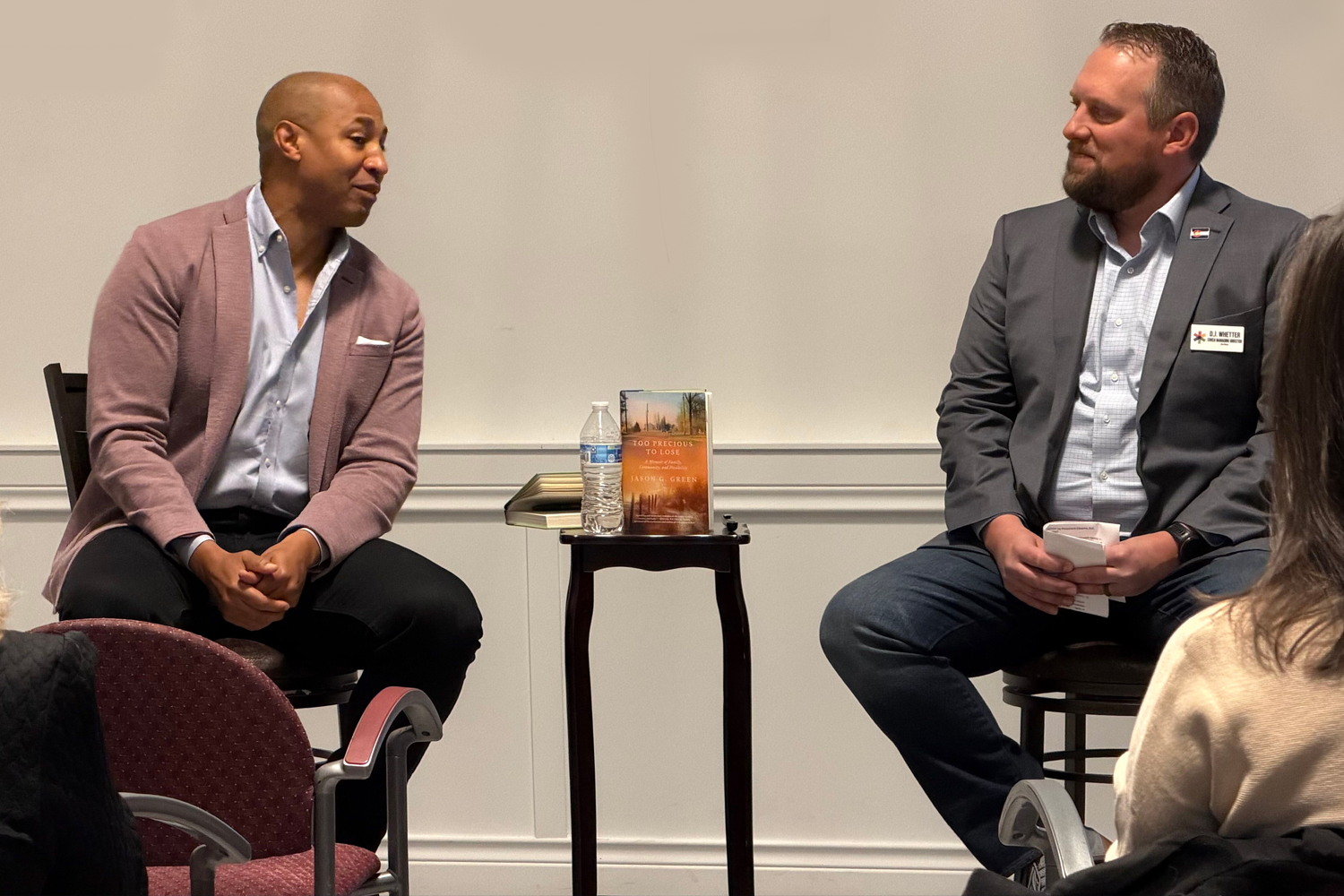
From our very first meeting, D.J. and I were able to talk openly about our organizations: where we were, what we were trying to achieve, and what we were worried about. That authenticity made it easy, in just our second meeting, to say, "If you'd be interested in having CiviCO join Omni, we'd love to explore it." We signed an NDA the following week and closed the deal three months later.
Too often these conversations never happen, or drag on unnecessarily, because executives and boards are guarded, worried about sending the wrong signal or worried about looking like they need help. In our experience, the willingness to be direct and a little vulnerable was what made the difference.
After completing the merger in three months, the real work began: integrating a team of five into our team of fifty.
One early challenge: onboarding five new staff who weren't coming in to fill new roles, they were already knee-deep in day-to-day program work. What we typically complete in 90 days stretched to six months or longer before everyone was fully oriented. We got there, but it took patience.
The bigger challenge was systems integration. We took a fairly laissez-faire approach early on, not mandating immediate transfers of files or adoption of our tools. In hindsight, it slowed integration and left two teams operating in parallel for longer than necessary.
What finally moved the needle was when we created internal capacity to actively support the CiviCO team in transitioning to our project management tools and practices. Staff from our team worked with them to move their work into Confluence and Trello, establish new workflows, and apply some of Omni’s best practices. It made a real difference and the one thing I wish we'd done in month two or three rather than month eight or nine. If I could go back and do one thing differently, it would be assigning a dedicated "integration lead" from our staff to the CiviCO team from the start: someone whose job it was to bridge the two organizations operationally.
My two takeaways for anyone considering this path: give it more time than you think it needs, because culture is slow to change and the integration work will compete with everything else on your plate; and find your lever of integration early; that one thing that, if you move it, will pull everything else along.
The most meaningful thing this merger has done for Omni is simple: it brought in new people.
Adding new voices to our senior team has changed how we think. The CiviCO staff don't come from the research and evaluation world. They come from civic engagement and leadership development and that difference shows up in how we approach problems, what programs we're willing to try, and how we talk about our mission. It has challenged 40 years of organizational habit in ways that feel genuinely healthy.
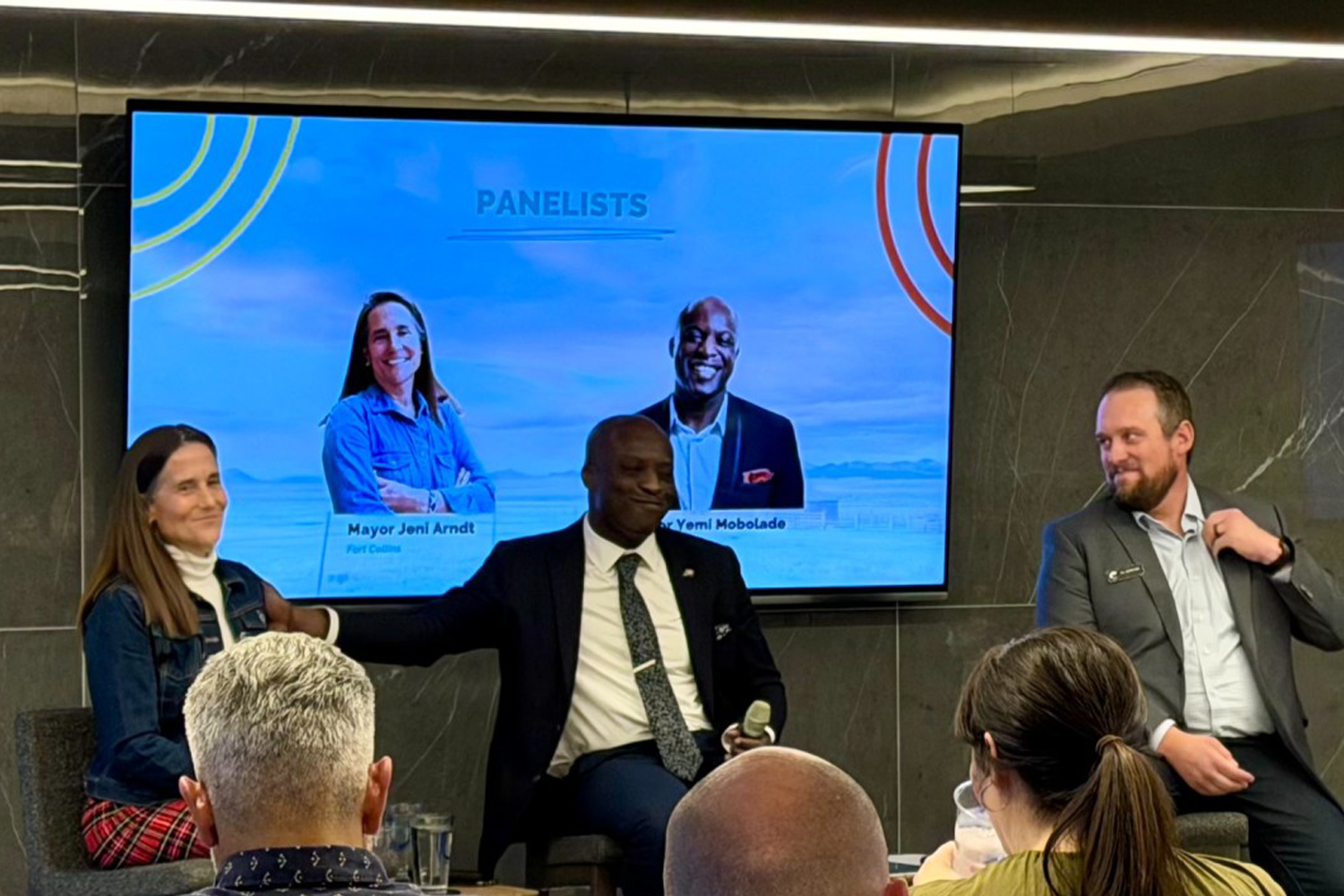
But it's not just the staff. CiviCO brought an entire community with it: the Governor's Fellows, Leadership Accelerator cohorts, Purpose Hour participants, and the funders and partners connected to all of it. These are people who care deeply about Colorado and their communities, often coming from entirely different sectors and perspectives than Omni's traditional networks. Getting to know them, and having them get to know us, has been one of the true gifts of this past year.
We're now finding real ways to connect these communities and put them to work together. We won our first joint project proposal this summer. We've launched new programming that draws on both organizations' strengths. And we're developing lines of work that simply weren't possible before.
None of this has been clean or easy. Integration takes longer than you plan for. CiviCO's programs came to Omni operating at a loss, and we knew going in that the investment required to build them into something sustainable would be significant, and we're still in that building phase. But the outlook is genuinely optimistic. The merger has opened us to thinking and acting differently and we now see our mission to accelerate positive social change with a wider perspective and a renewed sense of what's possible.
Get updates on our research findings, projects, and the latest in evidence-based news to improve lives, build better systems, and drive social change.